
Presentations and Speakers
Travel Day
Wednesday, Oct 7th, 2026

- 6:00 pm - 9:00 pm
The Solano Yacht Club is a short walking distance from the Hampton Inn & Suites and the Holiday Inn Express hotels
Welcome Reception – Solano Yacht Club
703 Civic Center Blvd, Suisun City, CA 94585
Mary Tracy
Day 1: Sessions
Thursday, Oct 8th, 2026
- 8:30 am - 8:45 am
Welcome to the Suisun Summit 2026
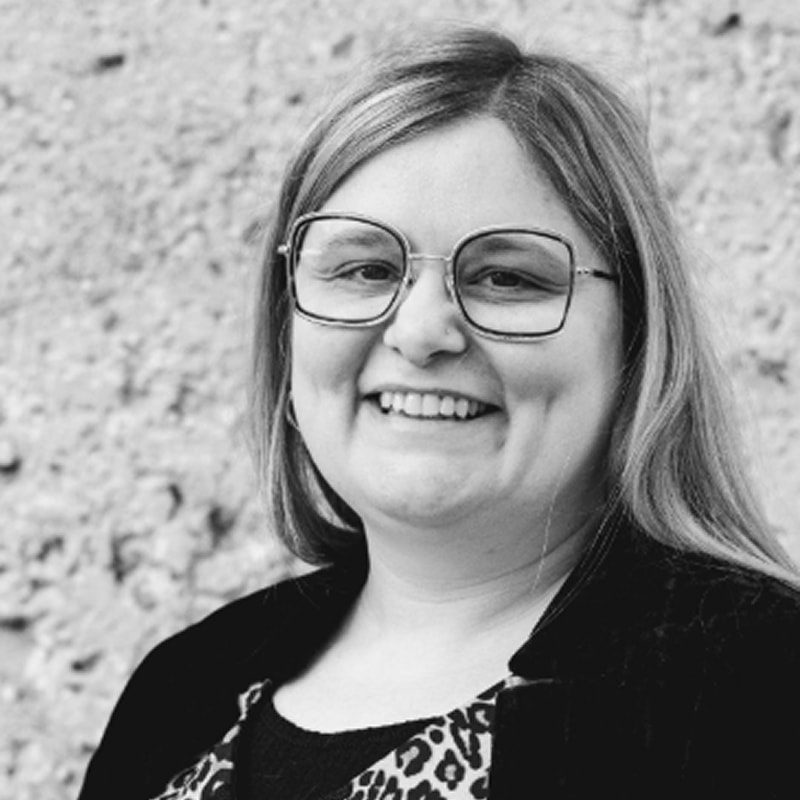
Mary Tracy and Lisa Bortolotto
- 8:45 am - 10:15 am
The Gift of Neurodiversity
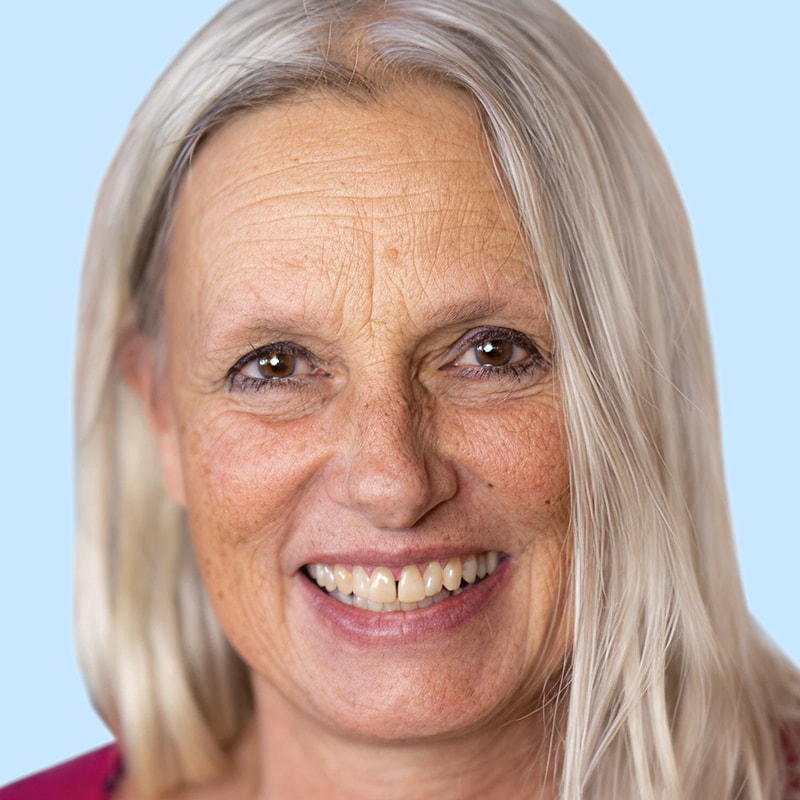
Theresia Stoeckl-Drax
Brain- and EEG-based diagnostics in the clinical field of neurodiversity strongly support the view that every individual shows a unique neurofunctional profile. While recognizable patterns exist—such as ADHD, Autism Spectrum, or Dyslexia—considerable individual differences appear even when examining basic wave distribution and functional connectivity.
This keynote will introduce the hypermirroring brain as an example of a distinct activation and communication pattern observed in emotionally gifted and highly empathetic children. Clinical observations, behavioral characteristics, and QEEG signatures will be presented. These “new children” often show hypersensitivity, hypermirroring, and giftedness—traits that are crucial for today’s rapidly changing and socially complex world and must be recognized, protected, and valued.
Neurodiversity can be expressed in both positive and pathological forms. Pathological neurodiversity may arise from intoxication, inflammation, head injury, trauma, or other adverse conditions. In such cases, brain-based diagnostics can clarify where the healing process needs to begin and can guide therapeutic interventions.
The concept of neurodiversity emphasizes strengths, abilities, and adaptive potentials instead of focusing primarily on deficits. Recognizing and supporting these strengths—both in children and adults—is essential to help individuals reach their potential and contribute meaningfully to society, especially in times of uncertainty, transition, and emerging challenges.
- Stoeckl-Drax, T. (2021). Symposium Title: Hypermirroring – Emotionally Gifted – Living From the Heart…International Journal of Psychophysiology, 168(Suppl), S51. DOI: 10.1016/j.ijpsycho.2021.07.152
- Stoeckl-Drax, T. (2021). The EEG Signature of Emotionally Gifted–Hypermirroring Children – The mu-Rhythm…International Journal of Psychophysiology, 168(Suppl), S52-S53. Stoeckl-Drax, T., Vanneste, S., Langguth, B., Mielke, S., De Ridder, D. (2018). Hypermirroring – a novel empathy disorder or a gift? International Journal of Psychophysiology, 131(Suppl), S123. DOI: 10.1016/j.ijpsycho.2018.07.333
- Stoeckl-Drax, T. (2018). Effects and side effects of infraslow network neurofeedback (ISF-NF).International Journal of Psychophysiology, 131(Suppl), S15. https://doi.org/10.1016/j.ijpsycho.2018.07.402
- Stökl-Drax, T. (2014). QEEG and 19-Channel Neurofeedback as a Clinical Evaluation Tool for Children with Attention, Learning, and Emotional Problems. Journal of NeuroRegulation, 1(2), 173-182
- Arns, Martijn, et al. “Efficacy of Neurofeedback Treatment in ADHD: The Evidence from a Meta-Analysis and Implications for Clinical Practice.” European Child & Adolescent Psychiatry, vol. 30, 2021, pp. 179–205. https://doi.org/10.1007/s00787-020-01584-0
- 10:15 am - 10:30 am
Break


- 10:30 am - 12:00 pm
Putting the SEEKING Brain First: qEEG Guided NFB in ASD
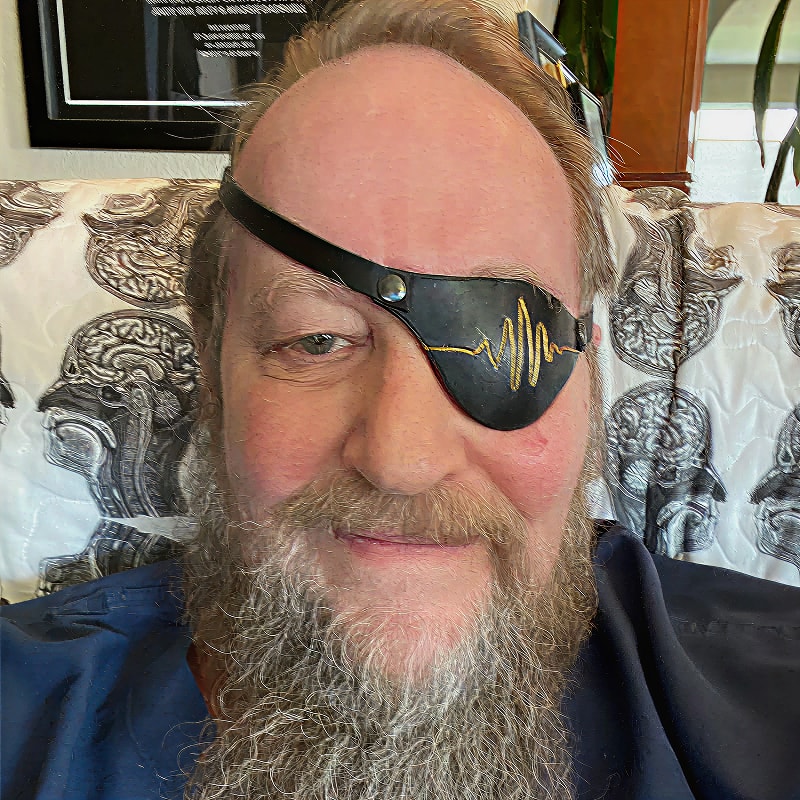
Neil Hughes, Robin Bernhard, Jay Gunkelman
Neil Hughes, a Savant with ASD, will present a new vocabulary and a fresh perspective on the characterization of traditional DSM categories that describe autistic individuals. Neurofeedback using QEEG-guided metrics helped to free Neil from a lifetime of pathologizing diagnoses and inappropriate and harmful treatments (psychiatric medications, CBT, DBT, EMDR). Neuromarkers and SMR neurofeedback training unlocked a neutral framework for his understanding of ASD, FND, and PTSD w/PD symptoms, leading Neil to a new sense of self with increased verbal expression. Is Autism a form of diversity or a disease? Neil will explain how it is both and neither. Robin Bernhard, Neil’s neurotherapist, will explain ASD neuromarkers in Neil’s EEG findings. Jay Gunkelman will review pre- and post-QEEG findings, illustrating measurable shifts that accompanied Neil’s transformation.
Key words: ASD, CPTSD, FND, Neurodiversity, PD, PTSD, PTSD w/PD, Savant Syndrome, SEEKING
- Arns, M., Gunkelman, J., Breteler, M., & Spronk, D. (2008). EEG phenotypes predict treatment outcome to stimulants in children with ADHD. Journal of Integrative Neuroscience, 7(3), 421–438. https://doi.org/10.1142/S0219635208001897
- Arns, M., Gunkelman, J., Olbrich, S., Sander, C., & Hegerl, U. (2011). EEG vigilance and phenotypes in neuropsychiatry: Implications for intervention. In R. Coben & J. R. Evans (Eds.), Neurofeedback and neuromodulation techniques and applications (pp. 79–123). Elsevier. https://doi.org/10.1016/B978-0-12-382235-2.00004-4
- Ceskowski, C. (2017). Theory of drives and emotions from Sigmund Freud to Jaak Panksepp. Psychiatry Polska, 51(6), 1181–1189.
- Davis, K. L., & Montag, C. (2019). Selected principles of Pankseppian affective neuroscience. Frontiers in Neuroscience, 12, Article 1025.
- Davis, K. L., & Panksepp, J. (2018). The emotional foundations of personality: A neurobiological and evolutionary approach.
- Esty, M. L., & Magder, M. A. (2012). Autism and Asperger’s syndrome (pp. 118–142). In S. Larsen (Ed.), The neurofeedback solution: How to treat autism, ADHD, anxiety, brain injury, stroke, PTSD and more. Healing Arts Press.
- Gunkelman, J. (2006). Transcend the DSM using phenotypes. Biofeedback, 34(3), 95–98.
- Gunkelman, J., & Acosta-Urquidi, J. (2012). Consciousness: A neurofeedback perspective (pp. 314–353). In S. Larsen (Ed.), The neurofeedback solution: How to treat autism, ADHD, anxiety, brain injury, stroke, PTSD and more. Healing Arts Press.
- Hammond, D. C. (2005). Neurofeedback to improve physical balance, incontinence, and swallowing. Journal of Neurotherapy, 9(1), 27–36. https://doi.org/10.1300/J184v09n01_03
- Hobson, H. M. (2017). The interpretation of mu suppression as an index of mirror neuron activity: Past, present, and future. King’s College London.
- Krepel, N., van Dijk, H., Sack, A. T., & Swatzyna, R. J. (2021). To spindle or not to spindle: A replication study into spindling excess beta as a transdiagnostic EEG feature associated with impulse control. Biological Psychology, 165, 106188. https://doi.org/10.1016/j.biopsycho.2021.108618
- Kropotov, J. D. (2016). Functional neuromarkers for psychiatry: Applications for diagnosis and treatment. Elsevier.
- Marshall, P. J., & Meltzoff, A. N. (2011). Developmental cognitive neuroscience. Developmental Cognitive Neuroscience, 1, 110–123.
- Montag, C., & Panksepp, J. (2017). Primary emotional systems and personality: An evolutionary perspective. Frontiers in Psychology, 8, Article 464.
- Moyse, E., Krantic, S., Djellouli, N., Roger, S., Angoulvant, D., Debacq, C., Leroy, F., Fougère, B., & Aidoud, A. (2022). Neuroinflammation: A possible link between vascular disorders and neurodegenerative diseases. Frontiers in Aging Neuroscience.
- Pearson, A., & Rose, K. (2023). Autistic masking: Understanding identity management and the role of stigma. Pavilion Publishing.
- Pineda, J. A. (n.d.). The functional significance of mu rhythms: Translating ‘seeing’ and ‘hearing’ into ‘doing.’ White paper.
- Pisciotta, A. (2024). Shifting paradigms: Rethinking autism beyond the medical model. Voices in Bioethics, 10.
- Powell, D. H. P. (2025). The ESP enigma: The scientific case for psychic phenomena. Consciousness Studies Press.
- Raison, C. L., & Miller, A. H. (2013). Do cytokines really sing the blues? Cerebrum.
- Salinas, J. (2017). Mirror touch: A memoir of synesthesia and the secret life of the brain. HarperCollins.
- Schore, A. N. (2001). Effects of a secure attachment relationship on right brain development, affect regulation, and infant mental health. Infant Mental Health Journal, 22(1–2), 7–66. https://doi.org/10.1002/1097-0355(200101/04)22:1<7::AID-IMHJ8>3.0.CO;2-9
- Swatzyna, R. J., Koslowski, G. P., & Tarnow, J. D. (2015). Pharmaco-EEG: A study of individualized medicine in clinical practice. Clinical EEG and Neuroscience, 46(3), 192–196.
- Swatzyna, R. J., Morrow, L. M., Collins, D. M., Barr, E. A., Roark, A. J., & Turner, R. P. (n.d.). Evidentiary significance of routine EEG in refractory cases: A paradigm shift in psychiatry. Clinical EEG and Neuroscience. https://doi.org/10.1177/15500594231221313
- Taylor, J. B. (2008). My stroke of insight: A brain scientist’s personal journey. Viking Press.
- Teixeira, M., Wicht, C. A., Maestretti, G., Kuntzer, T., Cassoli, J. S., Mouthon, A., Annoni, J. M., & Chabwine, J. N. (2021). Beta electroencephalographic oscillation is a potential GABAergic biomarker of chronic peripheral neuropathic pain. Frontiers in Neuroscience, 15, 594536. https://doi.org/10.3389/fnins.2021.594536
- Tarrant, J. (2023). Becoming psychic: Lessons from the minds of mediums, healers, and psychics. Health Communications.
- 12:00 pm - 1:30 pm
Lunch
- 1:30 pm - 2:30 pm
Multivariate Coherence Neurofeedback in the Attuned Model: Overview of Theory, Mechanisms, and Clinical Fit for Neurodivergent Populations
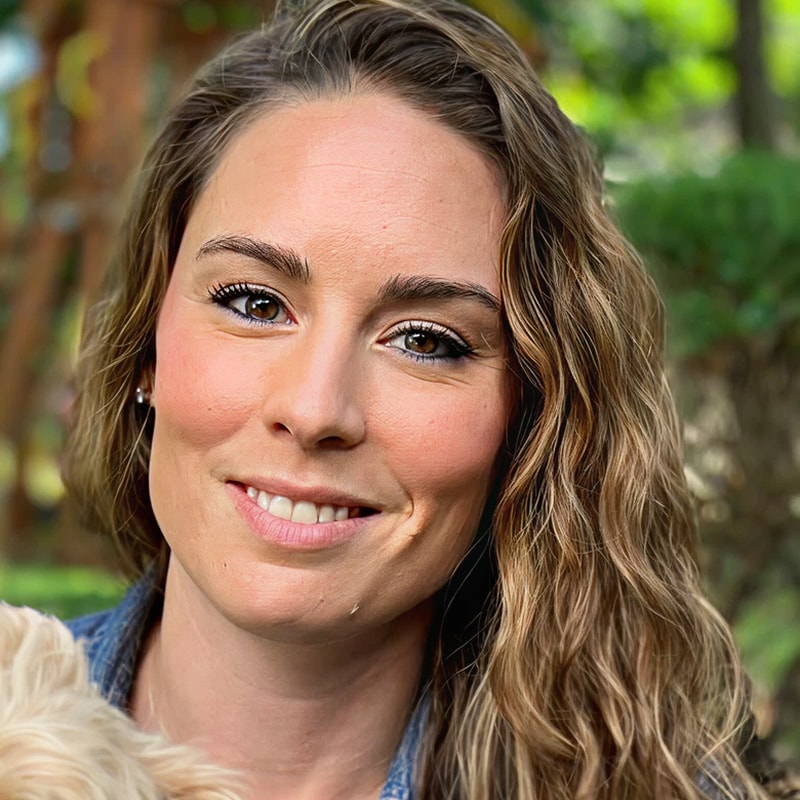
Leanne Hershkowitz
Multivariate coherence neurofeedback offers a network-oriented approach that trains functional connectivity patterns rather than isolated sites or single metrics. This presentation introduces how multivariate coherence training is derived, what it is reinforcing or inhibiting at the systems level, and the theoretical rationale for targeting coordination across distributed brain regions. We’ll review basic practices alongside common indications and contraindications, including for neurodivergent populations. Finally, we’ll describe how this method integrates with the Attuned model to prioritize individualized goals & responses to training, pacing, and relational safety.
- Morrell, A. K. (2025). Clinical neurofeedback. In A. M. Gómez & J. Hosey (Eds.), The handbook of complex trauma and dissociation in children: Theory, research, and clinical applications.
Routledge. - Coben, R., Middlebrooks, M., Lightstone, H., & Corbell, M. (2018). Four channel multivariate coherence training: Development and evidence in support of a new form of neurofeedback.
Frontiers in Neuroscience, 12, 729. https://doi.org/10.3389/fnins.2018.00729 - Gapen, M., van der Kolk, B. A., Hamlin, E., Hirshberg, L., Suvak, M., & Spinazzola, J. (2016). A pilot study of neurofeedback for chronic PTSD. Applied Psychophysiology and Biofeedback, 41(3), 251–261. https://doi.org/10.1007/s10484-015-9326-5
- Salehi, F., Jaloli, M., Coben, R. et al. Estimating brain effective connectivity from EEG signals of patients with autism disorder and healthy individuals by reducing volume conduction effect. Cogn Neurodyn 16, 519–529 (2022). https://doi.org/10.1007/s11571-021-09730-w
- Shi, L., Ma, L., Zhao, J., Kuang, Z., Wang, S., Yang, H., Wang, H., Han, Q., & Sun, L. (2025). TFSNet: A Time-Frequency Synergy Network Based on EEG Signals for Autism Spectrum Disorder Classification. Brain sciences, 15(7), 684. https://doi.org/10.3390/brainsci15070684
- 2:30 pm - 3:30 pm
The Incidence of IED’s in the ASD Population and the Role of Neurofeedback
Jay Gunkelman
Intermittent epileptiform discharges (IEDs) occur more frequently in the ASD population than others. This session will explore the data on prevalence, how to recognize IED’s in raw EEG tracings, how they may impact mental and behavioral health, and the role neurofeedback has in helping to alleviate both electrical instability and clinical symptom presentation.
- Swatzyna, R. J., et al. (2018). EEG abnormalities in autism spectrum disorder and the importance of extended monitoring. NeuroRegulation, 5(1), 17–31.
- Mulligan, C. K., et al. (2019). Electroencephalographic abnormalities in autism spectrum disorder: A systematic review. Journal of Autism and Developmental Disorders, 49, 1046–1061.
- Holmes, G. L. (2017). EEG abnormalities as a biomarker for cognitive dysfunction in autism spectrum disorders. Epilepsy & Behavior, 71, 160–163.
- Chez, M. G., et al. (2018). Epileptiform activity in autism: Characteristics and clinical correlates. Pediatric Neurology, 86, 6–13.
- Billeci, L., et al. (2020). EEG abnormalities in autism spectrum disorder: A systematic review. Neuroscience & Biobehavioral Reviews, 118, 692–706.
- 3:30 pm - 3:45 pm
Break
- 3:45 am - 4:45 pm
Neurodiversity and Family
Lisa Bortolotto
This presentation offers two clinically grounded case synopses illustrating how an integrative, evidence-informed framework can support assessment and treatment planning across neurodevelopmental, relational, and psychophysiological domains.The first case concerns a school-aged child presenting with features of autism, high cognitive potential, uneven developmental skills, and significant difficulties in emotional regulation and school adaptation. Thecase highlights the clinical complexity of children whose giftedness may mask autistic traits, while autism-related social, sensory, and executive-function challenges may obscure strengths.
- Carrick, D., Lazzaro, C., & colleagues. (2018). The treatment of autism spectrum disorder with auditory neurofeedback: A randomized placebo-controlled trial using the Mente Autism device. Frontiers in
Neurology, 9, 537. https://doi.org/10.3389/fneur.2018.00537 - Pop-Jordanova, N., et al. (2010). QEEG characteristics and spectrum weighted frequency for children diagnosed as autistic spectrum disorder. Nonlinear Biomedical Physics, 2010(4). https://doi.org/10.1007/
s40814-016-0015-y - Spicer, M., et al. (2024). Understanding early maladaptive schemas in autistic and ADHD individuals: Exploring the impact, changing the narrative, and schema therapy considerations. Frontiers in Psychology, 15, 152. https://doi.org/10.3389/fpsyg.
2024.1436053 - Luquet, D., & Muro, D. (2018). Imago Relationship Therapy alignment with marriage and family common factors. The Family Journal, 26(3), 316-324. https://doi.org/10.1177/
0894845318771164 - Durousseau, S., & Beeton, R. (2014). System-level spatial-frequency EEG changes coincident with a 90-day cognitive-behavioral therapy program for couples in relationship distress. Brain Imaging and Behavior, 8(2), 191-202. https://doi.org/10.1007/
s11682-013-9298-5 May, T., Pilkington, P. D., Younan, R., & Williams, K. (2021). Overlap of autism spectrum disorder and borderline personality disorder: A systematic review and meta-analysis. Autism Research, 14 (12), 2688-2710. https://doi.org/10.1002/aur.2619
Auer, G. A., Plener, P. L., Poustka, L., & Konicar, L. (2025). Multi-level treatment outcome evaluation in adolescents with autism spectrum disorder. Child and adolescent psychiatry and mental health, 19(1), 58. https://doi.org/10.1186/s13034-025-00909-1
Restoy, D., Oriol-Escudé, M., Alonzo-Castillo, T., Magán-Maganto, M., Canal-Bedia, R., Díez-Villoria, E., Gisbert-Gustemps, L., Setién-Ramos, I., Martínez-Ramírez, M., Ramos-Quiroga, J. A., & Lugo-Marín, J. (2024). Emotion regulation and emotion dysregulation in children and adolescents with autism spectrum disorder: A meta-analysis of evaluation and intervention studies. Clinical Psychology Review, 109, 102410. https://doi.org/10.1016/j.cpr.2024.102410
Tarailis, P., Koenig, T., Michel, C. M., & Griškova-Bulanova, I. (2024). The functional aspects of resting EEG microstates: A systematic review. Brain Topography, 37(2), 181-217. https://doi.org/10.1007/s10548-023-00958-9
McVoy, M., Lytle, S., Fulchiero, E., Aebi, M. E., Adeleye, O., & Sajatovic, M. (2019). A systematic review of quantitative EEG as a possible biomarker in child psychiatric disorders. Psychiatry Research, 279, 331-344. https://doi.org/10.1016/j.psychres.2019.07.004

- 4:50 pm - 5:50 pm
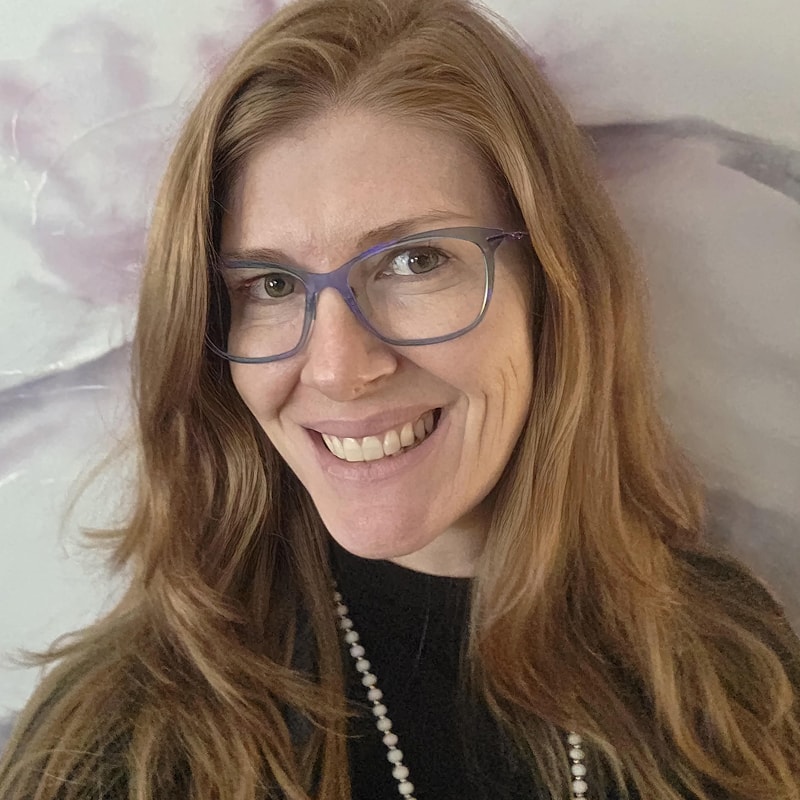
Brain-Heart Coherence and the Central Autonomic Network: From Ketamine-Assisted Psychotherapy Research to Clinical HRV Application in Neurodivergent Populations
Heather Hargraves, M.A., C.Psych. and Alex Ni, MBA, CPA
The central autonomic network (CAN), a neural architecture linking prefrontal cortex, anterior cingulate, insula, amygdala, and brainstem nuclei, continuously regulates bidirectional brain-heart communication (Lamotte et al., 2021). When cortical complexity and cardiac variability rise together, the nervous system reaches its most adaptive state: calm, focused, and responsive. This co-presentation introduces a translational framework for understanding and training brain-heart coherence, grounded in observational research from ketamine-assisted psychotherapy (KAP) and extended to clinical HRV application in neurodivergent populations (Shaffer & Ginsberg, 2017).
The first segment presents findings from an observational study with healthy volunteers undergoing KAP in Frankfurt, Germany (October 2025), in collaboration with Dr. Mario Scheib. Simultaneous EEG and HRV monitoring revealed that ketamine acutely increases sympathetic activation while enhancing neural flexibility as measured by Lempel-Ziv Complexity (Medel et al., 2023). This concurrent rise represents an apparent decoupling from the positive HRV-LZC relationship predicted by the neurovisceral integration model (Thayer & Lane, 2000), suggesting the ketamine state may engage the CAN in a mode where autonomic and neural flexibility are temporarily dissociated. Frequency-domain decomposition further revealed differential coupling across bands: HF power tracked most closely with frontal alpha/theta complexity shifts, while LF dynamics showed distinct associations with beta-range cortical patterns (Chang et al., 2013; Alba et al., 2019), indicating frequency-specific CAN mediation channels.
The second segment introduces HRV time-domain metrics as a peripheral window into CAN function across neurodivergent presentations, with meta-analytic evidence showing pronounced autonomic differences across autism and ADHD. In trauma-complex presentations, inverse relationships between HRV and brainstem-limbic connectivity differentiate hyperarousal from dissociative states (Thome et al., 2022). A core focus is alexithymia, the discrepancy between objective autonomic state and subjective awareness (Garfinkel et al., 2015). A remote integrated therapeutic framework will be presented, including neurotype-specific sequencing considerations for ADHD, autism, and trauma presentations.
- Alba, G., Vila, J., Rey, B., Montoya, P., & Munoz, M. A. (2019). The relationship between heart rate variability and EEG functional connectivity variability is associated with cognitive flexibility. Frontiers in Human Neuroscience, 13, 64.
- Lamotte, G., Shouman, K., & Benarroch, E. E. (2021). Stress and central autonomic network. Autonomic Neuroscience: Basic and Clinical, 235, 102870.
- Medel, V., Irani, M., Crossley, N., Ossandón, T., & Boncompte, G. (2023). Complexity and 1/f slope jointly reflect brain states. Scientific Reports, 13, 21700. https://doi.org/10.1038/s41598-023-47316-0
- Valenza, G., Ciò, F. D., Toschi, N., & Barbieri, R. (2024). Sympathetic and parasympathetic central autonomic networks. Imaging Neuroscience, 2, imag-2..
- Thome, J., Densmore, M., Terpou, B. A., Théberge, J., McKinnon, M. C., & Lanius, R. A. (2022).
Contrasting associations between heart rate variability and brainstem-limbic connectivity in posttraumatic stress disorder and its dissociative subtype: A pilot study. Frontiers in Behavioral Neuroscience, 16, 862192.
Day 2: Sessions
Friday, Oct 9th, 2026
- 8:30 am - 8:45 am
Daily Announcements
Mary Tracy

- 8:45 am - 10:15 am
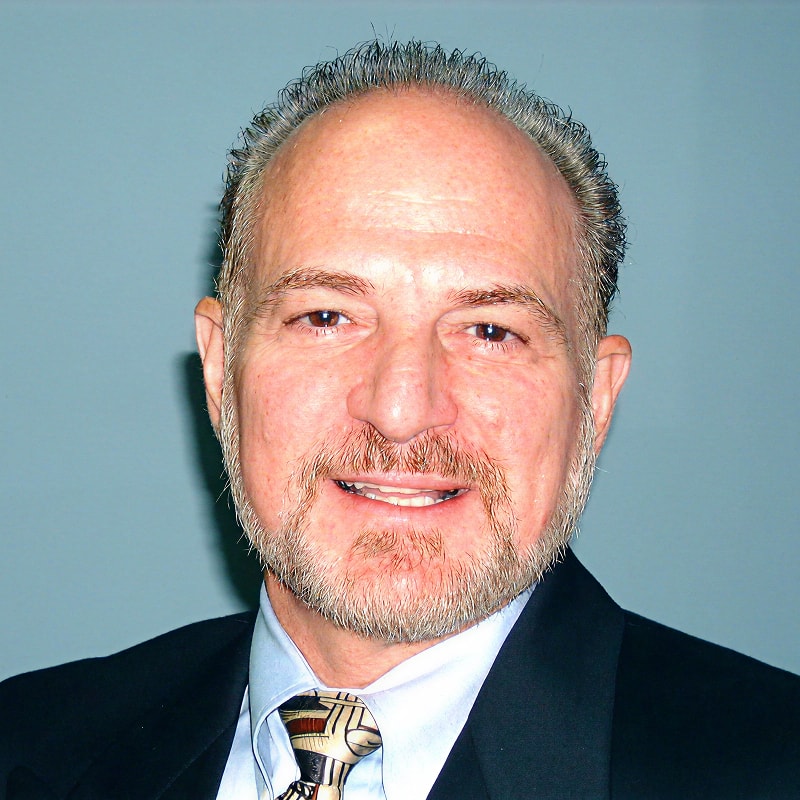
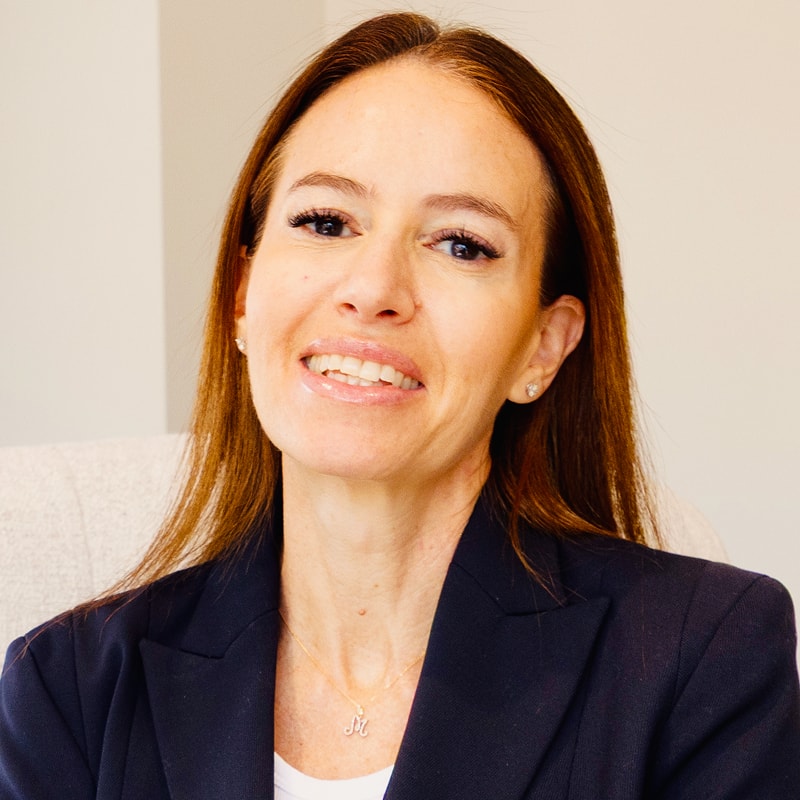
Choice of Medication based on qEEG Neuromarkers
Jay D. Tarnow, M.D., Myah Gittelson, Psy.D., Caitlin McClure, Ph.D., Jay Gunkelman, QEEGD
The presenters will focus on using a biopsychosocial framework to assess complex pediatric patients with multi-modal impairments impacting behavior and cognition. Dr. Caitlin McClure and Dr. Myah Gittelson will each present a detailed case of a child with comorbid neurodevelopmental, behavioral, medical, and psychosocial challenges. Dr. Caitlin will highlight implementation of QEEG for diagnostic impressions and nutraceuticals/micronutrients[o1.1] while Dr. Gittelson will highlight a method of integrating neuropsychological standardized testing measure with the QEEG analysis limiting subjective bias for diagnostic impressions. Dr. Jay Tarnow and Jay Gunkelman will analyze the QEEGs and translate neurobiomarker data into integrated treatment plans covering neurotherapy (neurofeedback/brain-plasticity), precision psychopharmacology, family therapy, and coordinated pediatric care. In addition to diagnostic differentials, defining of biomarkers before prescribing medication in children is essential for accurate diagnosis and effective treatment. This practice aids in avoiding unnecessary medication, managing side effects, and ensuring that interventions are appropriate and tailored to the child’s specific needs. A thorough evaluation promotes better long-term health outcomes and supports the overall well-being of the child. If transient discharges are suspected, additional diagnostic evaluations, including EEG assessments, should be considered to ensure a comprehensive understanding of the child’s conditions before proceeding with treatment. Research indicates that approximately 5% to 38% of children with neurodevelopmental disorders exhibit transient discharges on EEG. These abnormalities might not represent clinically significant epilepsy but can indicate brain dysfunction or altered neurophysiology.
Psychiatry has used a Biopsychosocial model over the last 40 years however without methods to measure brain functioning still blind prescribing took place. With the introduction to the MRI, PET Scan, Spectra Scan, and QEEG, Psychiatry now can fill in the gaps. The QEEG specifically has offered a non-invasive and fairly simple procedure to give a great deal of information regarding brain functioning on an electrical basis. Therefore, we can now have clarity for etiologies, guide safer and more effective treatment, and reduce medication failures. Prospective controlled studies are warranted to quantify outcome improvement, cost-effectiveness, and optimal algorithms for test-guided personalized care.
- Buchanan, R. J., & Rook, W. (2016). The use of qEEG as a diagnostic tool in pediatric neuropsychiatric disorders. Clinical EEG and Neuroscience, 47(2), 144–151. DOI: 10.1177/1550059415582393
- Canitano, R., & Scandurra, V. (2017). “EEG abnormalities and the biological basis of autism spectrum disorder.” Brain Sciences, 7(11), 129. DOI: 10.3390/brainsci7110129
- Grin-Yatsenko, V. A., Ponomarev, V. A., & Kropotov, J. D. (2023). The changes of the infra-slow EEG fluctuations of the brain potentials under influence of infra-low frequency neurofeedback. Russian Journal of Physiology, 109(5), 600–611. https://doi.org/10.31857/S0869813923050047
- Hirsch, J., & Weisz, N. (2018). The utility of qEEG in the differential diagnosis of ADHD: A review. Neuroscience & Biobehavioral Reviews, 92, 1–12. DOI: 10.1016/j.neubiorev.2018.06.007
- Johnstone, J., Gunkelman, J., & Lunt, J. (2005). Clinical database development: Characterization of EEG phenotypes. Clinical EEG and Neuroscience, 36(2), 99–107. https://doi.org/10.1177/155005940503600209
- MacInerney, E. K., Swatzyna, R. J., Roark, A. J., Gonzalez, B. C., & Kozlowski, G. P. (2017). Breakfast choices influence brainwave activity: Single case study of a 12-year-old female. NeuroRegulation, 4(1), 56. https://doi.org/10.15540/nr.4.1.56. neuroregulation.org
- McVoy, M., Lytle, S., Fulchiero, E., et al. (2019). A systematic review of quantitative EEG as a possible biomarker in child psychiatric disorders. Psychiatry Research, 278, 1-9. DOI: 10.1016/j.psychres.2019.112434
- Swatzyna, R. J., Arns, M., Tarnow, J. D., Turner, R. P., Barr, E., MacInerney, E. K., Hoffman, A. M., & Boutros, N. N. (2022). Isolated epileptiform activity in children and adolescents: Prevalence, relevance, and implications for treatment. European Child & Adolescent Psychiatry, 31(4), 545–552. https://doi.org/10.1007/s00787-020-01597-2. pubmed.ncbi.nlm.nih.gov
- Swatzyna, R. J., Kozlowski, G. P., & Tarnow, J. D. (2015). Pharmaco-EEG: A study of individualized medicine in clinical practice. Clinical EEG and Neuroscience, 46(3), 192–196. pubmed.ncbi.nlm.nih.gov
- Swatzyna, R. J., Tarnow, J. D., Turner, R. P., Roark, A. J., MacInerney, E. K., & Kozlowski, G. P. (2017). Integration of EEG into psychiatric practice: A step toward precision medicine for autism spectrum disorder. Journal of Clinical Neurophysiology, 34(3), 230–235. https://doi.org/10.1097/WNP.0000000000000365. pubmed.ncbi.nlm.nih.gov
- Swatzyna, R. J., Tarnow, J. D., Turner, R. P., Roark, A. J., MacInerney, E. K., & Kozlowski, G. P. (2017). Retrospective analysis of nonepileptic patients with isolated epileptiform discharges treated with anticonvulsants. Clinical EEG and Neuroscience, 48(5), 322–326. (listed in the group CVs / research pages). hnbraincenter.com
References — QEEG for Medication Selection - Arns, M., Gunkelman, J., Breteler, M., & Spronk, D. (2008). EEG phenotypes predict treatment outcome to stimulants in children with ADHD. Journal of Integrative Neuroscience, 7(3), 421–438. https://doi.org/10.1142/S0219635208001897
- Arns, M., Heinrich, H., & Strehl, U. (2014). Evaluation of neurofeedback in ADHD: The long and winding road. Biological Psychology, 95, 108–115. https://doi.org/10.1016/j.biopsycho.2013.11.013
- Gunkelman, J. (2014). Medication prediction with electroencephalography phenotypes and biomarkers. Biofeedback, 42(2), 68–73. https://doi.org/10.5298/1081-5937-42.2.03
- Johnstone, J., Gunkelman, J., & Lunt, J. (2005). Clinical database development: Characterization of EEG phenotypes. Clinical EEG and Neuroscience, 36(2), 99–107. https://doi.org/10.1177/155005940503600209
- Swatzyna, R. J., Kozlowski, G. P., & Tarnow, J. D. (2015). Pharmaco-EEG: A study of individualized medicine in clinical practice. Clinical EEG and Neuroscience, 46(3), 192–196.
- Turner, R. P. (2016). Review of The Neurofeedback Book: An introduction to basic concepts in applied psychophysiology [Review of the book The Neurofeedback Book]. Biofeedback, 44(1), 50–52. https://doi.org/10.5298/1081-5937-44.1.09

- 10:30 am - 12:00 pm
Beyond Behavior: Clinical Lessons from a 13-year Autism Neuromodulation case study
Debra McClendon
Autism spectrum disorder (ASD) is a heterogeneous neurodevelopmental condition that often requires individualized, regulation-focused intervention strategies. Increasingly, clinicians view autism through the lens of brain network regulation, autonomic balance, and neurophysiological stability, emphasizing approaches that support functional nervous system regulation. Drawing from more than thirteen years of clinical work conducted by Dr. Debra W. McClendon, PsyD, PhD, this presentation includes a 13-year longitudinal case study in which initial care focused exclusively on Infra-Low Frequency (ILF) EEG neurofeedback. The session explores how treatment outcomes evolved over time as intervention strategies expanded beyond a single-modality framework toward broader, regulation-focused therapeutic approaches for ASD. Additional discussion highlights emerging biological and photobiomodulation research and examines how the practitioner’s decision-making patterns influence the interpretation of research and the development of treatments aimed at improving brain network regulation in ASD. Ultimately, this presentation invites clinicians to reconsider how evolving neuroscience, clinical observation, and thoughtful decision-making may shape the future of autism care.
- Belmonte, M. K., Allen, G., Beckel-Mitchener, A., Boulanger, L. M., Carper, R. A., & Webb, S. J. (2004). Autism and abnormal development of brain connectivity. Journal of Neuroscience, 24(42), 9228–9231.
- Othmer, S., & Othmer, S. F. (2017). Infra-low frequency neurofeedback for optimal functioning.
- Biofeedback, 45(1), 4–13.
- Pomeroy, L. (2005). New science of axiological psychology. New York, NY: Rodopi.
- VALIDITY STUDIES OF THE HARTMAN VALUE PROFILE MODEL. (n.d.). https://www.axiologic.org/wp-content/uploads/2017/02/HartmanValidityStudies.pdf
- 12:30 pm - 1:30 pm
Lunch
- 1:30 pm - 2:30 pm
EEG Predictors of Medication Failure
Jay Gunkelman
Getting medication choices correct is often a challenging, with the treatment-resistant label applying to roughly 30% of the psychiatric patient population. Modern EEG research points to several factors that can potentially contribute to medication failures. Identifying these factors early on in the treatment process can lead to fewer medication trials, fewer unwanted side effects, and better treatment outcomes.
- Widge, A. S., Bilge, M. T., Montana, R., Chang, W., Rodriguez, C. I., Deckersbach, T., Carpenter, L. L., Kalin, N. H., & Nemeroff, C. B. (2019). Electroencephalographic Biomarkers for Treatment Response Prediction in Major Depressive Illness: A Meta-Analysis. The American journal of psychiatry, 176(1), 44–56. https://doi.org/10.1176/appi.ajp.2018.17121358
- Arns, M., et al. (2016). EEG-based biomarkers for predicting antidepressant response: A meta-analysis.
European Neuropsychopharmacology, 26(4), 563–580. - Gunkelman, J., et al. (2018). qEEG-guided treatment selection in neuropsychiatry. Clinical EEG and Neuroscience, 49(3), 191–203.
- Widge, A. S., et al. (2021). Biomarkers for selecting neuromodulation and pharmacologic treatments in psychiatry. Biological Psychiatry, 89(1), 54–63.
- Newson, J. J., & Thiagarajan, T. C. (2019). EEG frequency bands in psychiatric disorders: A review. Frontiers in Human Neuroscience, 13, 521.

- 2:30 pm - 3:30 pm
Common Pathways In Oxidative Stress, Metabolism, HBOT And Light Biology Affecting EEG Brainwaves In ASD
Michael Pierce
Oxidative stress and toxic pathways within mitochondria have been converging on common chronic neurological conditions. This review of factors affecting EEG in ASD include a brief review of photonic, biochemical and neurological pathways common to most neurological conditions with ASD as the primary focus. mechanisms and cases will be presented in brief. Common factors in EEG findings between ASD, aluminum and glyphosate toxicity are included.
- Breaking the cycle of oxidative stress for better behavioral health in autism spectrum disorder: A scoping review. Renaldi R, Persico AM, Wiguna T, Tanra AJ. Asian J Psychiatr. 2025 Aug;110:104575. doi: 10.1016/j.ajp.2025.104575. Epub 2025 Jun 26. PMID: 40618512
- Editorial: Review of hyperbaric therapy & hyperbaric oxygen therapy in the treatment of neurological disorders according to dose of pressure and hyperoxia. Harch PG, Mychaskiw G, Zhang JH, D’Agostino DP, Van Meter K, Camporesi EM. Front Neurol. 2025 Feb 11;16:1536541. Doi: 10.3389/fneur.2025.1536541. eCollection 2025. PMID: 40007743 Free PMC article. No abstract available.
- Acute and chronic central nervous system oxidative stress/toxicity during hyperbaric oxygen treatment of subacute and chronic neurological conditions. Harch PG, Rhodes S. Front Neurol. 2024 Mar 4;15:1341562. doi: 10.3389/fneur.2024.1341562. eCollection 2024. PMID: 38500807 Free PMC article.
- Saxena, S., Sharma, S., Kumar, G., & Thakur, S. (2025). Unravelling the complexity of CARPA: a review of emerging advancements in therapeutic strategies. Archives of dermatological research, 317(1), 439. https://doi.org/10.1007/s00403-025-03971-z
- 3:30 pm - 3:45 pm
Break

- 3:45 pm - 4:45 pm
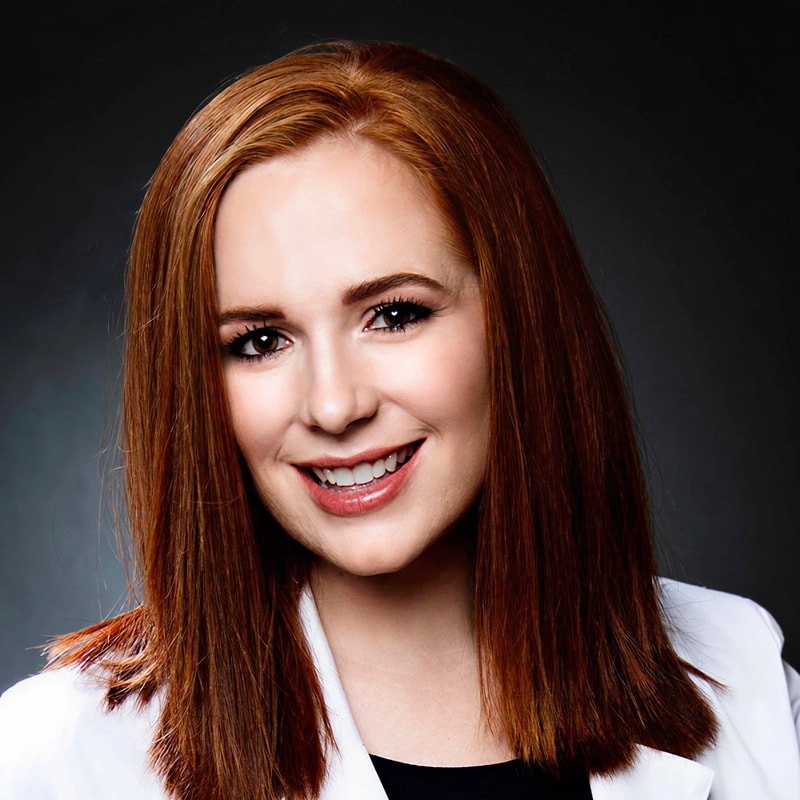
PBM in ASD Populations
Rebekah Walker, Preston Walker
This presentation explores the shift toward Modern ADHD treatment. A diagnostic and therapeutic framework that utilizes Artificial Intelligence (AI), Quantitative Electroencephalography (qEEG), and Photobiomodulation (PBM) to identify and treat specific neurobiological phenotypes
- Hammond, C. D. (2021). Neurofeedback with ADHD: A review of clinical evidence and emerging protocols. Applied Psychophysiology and Biofeedback, 46, 1–20. https://doi.org/10.1007/s10484-020-09486-8
Cortese, S., et al. (2023). Toward systems neuroscience of ADHD: A meta-analysis of neuroimaging biomarkers. Neuroscience & Biobehavioral Reviews, 148, Article 105130. https://doi.org/10.1016/j.neubiorev.2023.105130 - Hoseini, R., & Shalbaf, A. (2025). An explainable machine learning–based approach to predicting treatment response for neurofeedback in ADHD. Scientific Reports, 15, Article 43162. https://doi.org/10.1038/s41598-025-27246-9
- Zhao, C., et al. (2025). Artificial intelligence in ADHD assessment: A comprehensive review of research progress from early screening to precise differential diagnosis. Frontiers in Artificial Intelligence, 8, Article 1624485. https://doi.org/10.3389/frai.2025.1624485
- Sharma, A., et al. (2025). Machine learning and neuroimaging for ADHD diagnosis and personalized treatment: A systematic review. Neuroscience, 570, 110–131. https://doi.org/10.1016/j.neuroscience.2025.02.019


- 4:45 pm - 5:45 pm
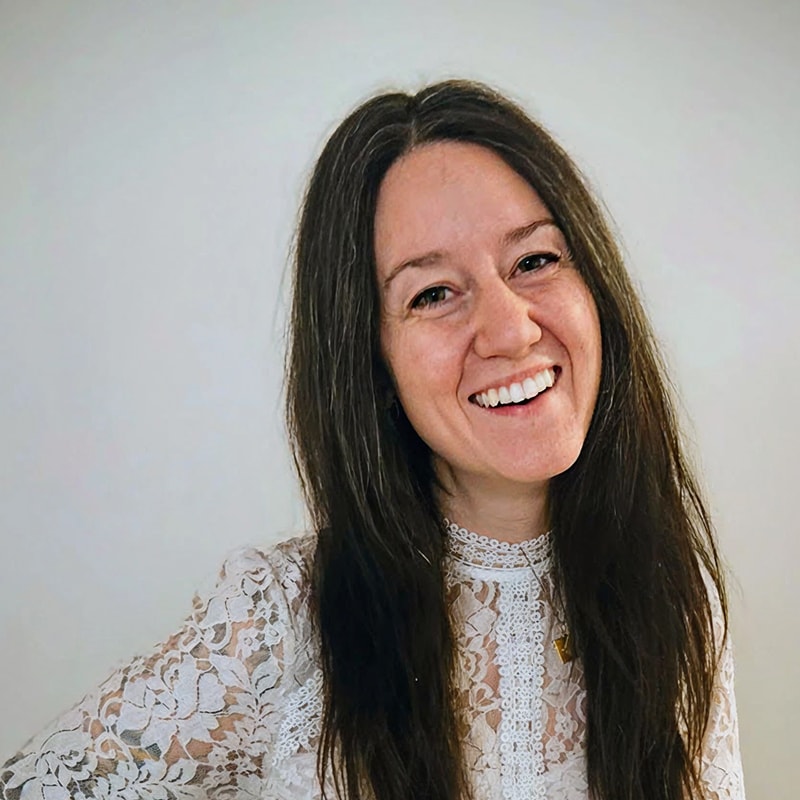
Music and Neuromodulation
Steph Ryall, Barbara Minton, Andre Avila
In light of the theme of diversity at this year’s Summit, we thought it appropriate to highlight one of the most accessible and universally healing methods of therapy: Music. Music affects the brain across multiple networks and dances along the auditory cortex, memory circuits, motor system, and reward pathways. It can be curated to frequencies that impact mood and arousal, improve interhemispheric communication, and even help manage symptoms from stroke and Parkinson’s. This presentation includes EEG evidence of brain change with music and strong advocacy for using music as an affordable option for entrainment. Our team consists of musicians and scientists who have passionately created music specifically for brain healing. We are excited to share samples as we reignite the audience’s belief in music’s “potentials.” 🙂
- Wu, K., Anderson, J., Townsend, J., Frazier, T., Brandt, A., & Karmonik, C. (2019).
- Characterization of functional brain connectivity towards optimization of music selection for therapy: A fMRI study.
- International Journal of Neuroscience , 130 (6), 565–573. https://doi.org/10.1080/00207454.2019.1580799
- Parizek, D., Visnovcova, N., Hamza Sladicekova, K., & Veternik, M. (2023).
- Effect of selected music soundtracks on cardiac vagal control and complexity assessed by heart rate variability.
- Physiological Research , 72 (5), 587–596. https://doi.org/10.33549/physiolres.935114
- Maekawa, T., Sasaoka, T., Inui, T., Fermin, A. S. R., & Yamawaki, S. (2024).
- Heart rate and insula activity increase in response to music in individuals with high interoceptive sensitivity.
- PLOS ONE , 19 (8), e0299091. https://doi.org/10.1371/journal.pone.0299091
- Zaatar, M. T., Alhakim, K., Enayeh, M., & Aoun, R. (2024).
- The transformative power of music: Insights into neuroplasticity, health, and disease.
- Brain, Behavior, & Immunity – Health , 35 , 100716. https://doi.org/10.1016/j.bbih.2023.100716
- Siragusa, M. A., Brizard, B., Dujardin, P.-A., Remenieras, J.-P., Patat, F., & Desmidt, T. (2020).
- When classical music relaxes the brain: An experimental study using ultrasound brain tissue pulsatility imaging.
- International Journal of Psychophysiology , 150 , 29–36. https://doi.org/10.1016/j.ijpsycho.2020.01.009
- Minton, B., & Evans, J. R. (2023). Music and neuromodulation.
- In D. R. Chartier, M. B. Dellinger, J. R. Evans, & H. K. Budzynski (Eds.), Introduction to quantitative EEG and neurofeedback (3rd ed., Chapter 28).
- Academic Press/Elsevier.
- PatelAD,IversenJR.Theevolutionary neuroscience of musical beat perception: the Action Simulation for Auditory
- https://doi.org/10.3389/ fnsys.2014.00001
- Gordon, C. L., Cobb, P. R., & Balasubramaniam, R. (2018).
- Recruitment of the motor system during music listening: An ALE meta-analysis of fMRI data.
- PloS one , 13 (11), e0207213. https://doi.org/10.1371/journal.pone.0207213
- Arnold CA, Bagg MK, Harvey AR. The psychophysiology of music-based interventions and the experience of pain. Front Psychol.
- 2024 May 10;15:1361857. doi: 10.3389/fpsyg.2024.1361857.
Day 3: Sessions
Saturday, Oct 10th, 2026
- 8:30 am - 8:45 am
Daily Announcements
Mary Tracy
- 8:45 am - 10:15 am
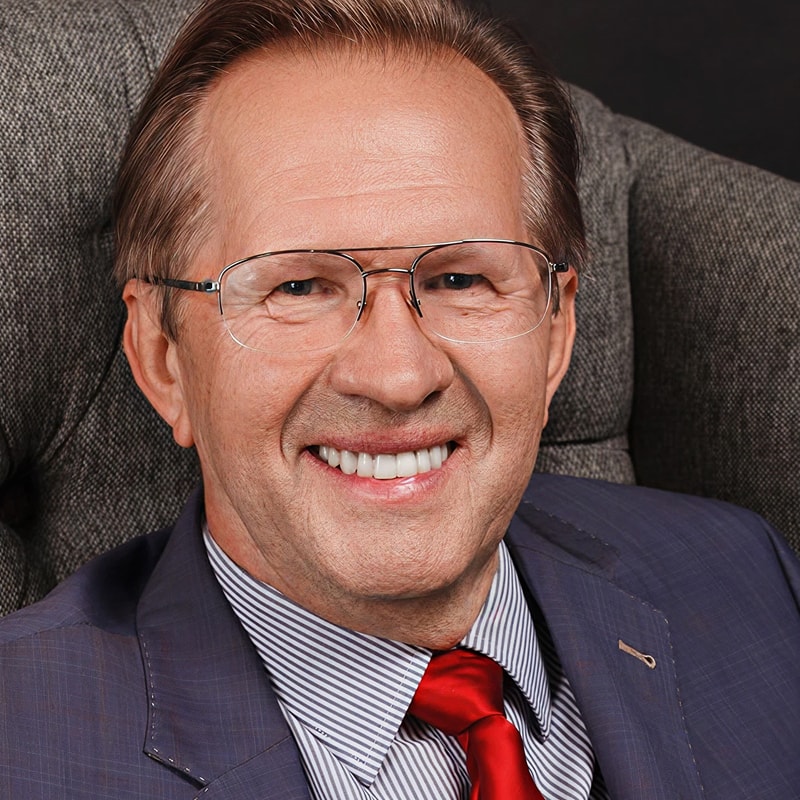
QEEG And Event-Related Potentials As Transdiagnostic Tools For Designing Protocols Of Neuromodulation
Juri Kroptov
In the ERP/QEEG modality, the transdiagnostic approach is based on the fact that no neuromarkers have been identified that are uniquely associated with a specific psychiatric condition and that no direct correlations between ERP/QEEG neuromarkers and symptoms of psychiatric disorders have been observed.
Our research demonstrates that ERP hidden components in a cued GO/NOGO task are specifically associated with distinct psychological operations, such as repetition suppression/enhancement in the sensory-memory domain, conflict detection and monitoring, action inhibition, and reactivation of stimulus-response links in the cognitive domain, as well as activation operations in the affective domain. Additionally, we have shown that the functional systems of the brain are self-regulated by distinct neuronal circuits generating oscillations in distinct frequency bands.
This transdiagnostic approach provides a unique opportunity to assess the brain dysregulations underlying psychiatric conditions and to construct appropriate protocols for various neuromodulation modalities (conventional neurofeedback, infra-low frequency neurofeedback, tDCS, and photobiomodulation). In this presentation, I will describe an HBI methodology as the theoretical basis of a transdiagnostic tool and present clinical cases of its application.
- Kropotov Juri D. 2009. Quantitative EEG, event-related potentials, and neurotherapy. Academic Press, Elsevier, 542p.
- Kropotov Juri D. 2016. Functional neuromarkers for psychiatry. Applications for diagnosis and treatment. Academic Press, Elsevier, 462p.
- Luck S.J., Kappenman E.S. (eds) 2012. The Oxford Handbook of event-related potential components. Oxford University Press, 641p.

- 10:15 am - 11:15 am
The Construction of AI Repository to Analyze the EEG and Generate Neurostimulation and Neurofeedback Protocols
Nick Dogris
In this session Dr. Dogris will discuss the development and implementation of an AI profiler that contains over 5000 patients ranging over a wide array of psychiatric disorders and conditions. Dr. Dogris will discuss how the repository was developed and the challenges associated with using AI in the analysis and interpretation of the EEG. HE will also discuss the elements of the AI repository and how a diagnostic matching system was developed. Lastly, he will discuss how the AI data driven interpretation is used to generate neurostimulation and neurofeedback protocols. Lastly, Dr. Dogris will discuss the ethics and responsibility of using AI and the pitfalls that are present in using this technology.
- Redgrave J, Day D, Leung H, Laud PJ, Ali A, Lindert R, Majid A.Brain Stimul. 2018 Nov-Dec; Safety and tolerability of Transcutaneous Vagus Nerve stimulation in humans; a systematic review. 11(6):1225-1238. doi: 10.1016/j.brs.2018.08.010. Epub 2018 Aug 23.PMID: 30217648
- Yap, J. Y. Y., Keatch, C., Lambert, E., Woods, W., Stoddart, P. R., & Kameneva, T. (2020). Critical Review of Transcutaneous Vagus Nerve Stimulation: Challenges for Translation to Clinical Practice. Frontiers in neuroscience, 14, 284. https://doi.org/10.3389/fnins.2020.00284
- Thair H, Holloway AL, Newport R, Smith AD. Transcranial Direct Current Stimulation (tDCS): A Beginner’s Guide for Design and Implementation. Front Neurosci. 2017 Nov 22;11:641. doi: 10.3389/fnins.2017.00641. PMID: 29213226; PMCID: PMC5702643.
- Chase HW, Boudewyn MA, Carter CS, Phillips ML. Transcranial direct current stimulation: a roadmap for research, from mechanism of action to clinical implementation. Mol Psychiatry. 2020 Feb;25(2):397-407. doi: 10.1038/s41380-019-0499-9. Epub 2019 Aug 27. PMID: 31455860; PMCID: PMC6981019.
- Dogris, N.J. (2023). The Heart and the Head: Poly Vagal Theory Applied in Neurostimulation. In press.
- 11:15 am - 12:15 pm
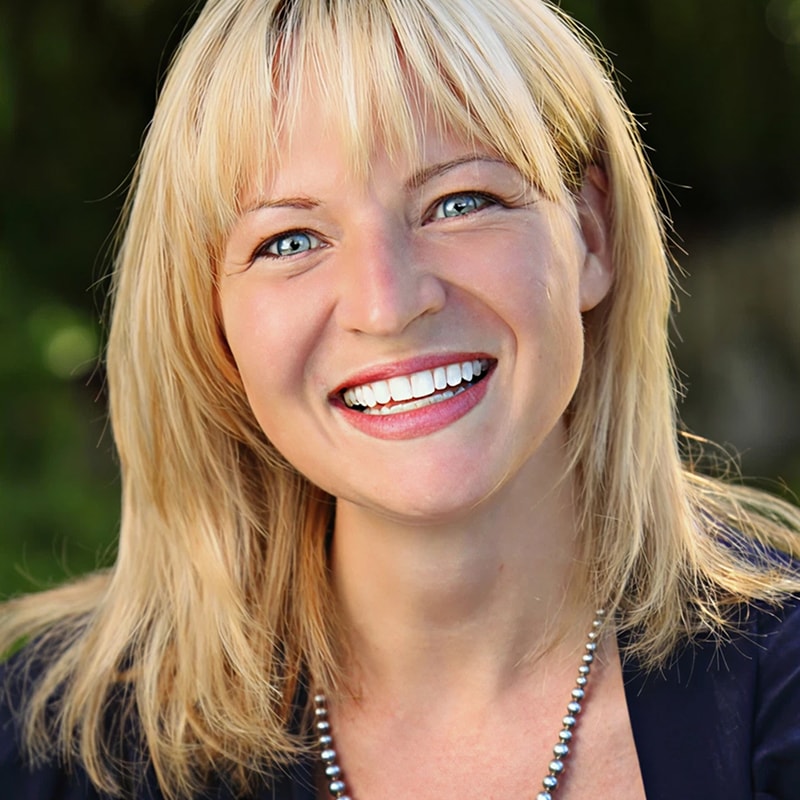
Electrifying the Brain: A History of Neurostimulation from Ancient Remedies to Modern Precision Medicine
Tiff Thompson
This lecture explores the evolution of neurostimulation from its earliest use in antiquity to today’s precision-guided interventions. Beginning with the application of torpedo fish for pain relief and tracing through key scientific breakthroughs in bioelectricity, brain mapping, and therapeutic stimulation, the talk highlights how external energy has been used to both reveal and influence neural function. Emphasis is placed on the shift from crude electrical interventions to modern approaches that engage brain rhythms, timing, and individualized neural dynamics. The presentation concludes with emerging models of EEG-guided, multimodal stimulation, positioning contemporary neuromodulation as the natural progression of a centuries-long scientific journey.
- Cambiaghi, M., & Sconocchia, S. (2018). Scribonius Largus (probably before 1CE–after 48CE). Journal of Neurology, 265, 2466–2468. https://doi.org/10.1007/s00415-018-8739-5
- Ladino, L. D., Rizvi, S., & Téllez-Zenteno, J. F. (2018). The Montreal procedure: The legacy of the great Wilder Penfield. Epilepsy & Behavior, 83, 151–161. https://doi.org/10.1016/j.yebeh.2018.04.001
- Leblanc, R. (2019). Against the current: Wilder Penfield, the frontal lobes and psychosurgery. Canadian Journal of Neurological Sciences, 46(5), 585–590. https://doi.org/10.1017/cjn.2019.48
- Patowary, K. (2022, March 30). Scribonius Longus, the Roman physician who used electricity as a treatment. Amusing Planet.
- U.S. Food and Drug Administration. (2018, August 17). FDA permits marketing of transcranial magnetic stimulation for treatment of obsessive compulsive disorder [Press release].
- 12:15 pm - 1:30 pm
Lunch

- 1:30 pm - 3:00 pm
Respecting and Measuring Individual Differences in order to Improve Functioning
Lynda Thompson
Clinicians often see clients who have one diagnosis, such as ADHD, but assessment shows that is not the whole picture. Those with Autism Spectrum Disorder of the subtype often referred to as Asperger’s syndrome, for example, typically will have been seen three times and given various diagnoses that usually include ADHD before someone recognizes the underlying pattern of ASD. This talk will give case examples of patterns seen in a range of neurodivergent conditions, showing how comprehensive assessment and individualized intervention based on that assessment can improve functioning. In addition to neurofeedback and biofeedback interventions that have been used at the ADD Centre for over thirty years, the presentation will include newer techniques, such as tDCS and photobiomodulation (PBM), that can be combined with those modalities. Attendees will leave the session with new information and a perspective that will be of use in helping each of their clients optimize their functioning, As George Eliott wrote, “What do we live for, if it is not to make life less difficult for each other?”
- Thompson, L., Thompson, M., Thompson, J., & Reid, A. (2015). Biofeedback Interventions for Autistic Spectrum Disorders. In Mark S. Schwartz & Frank Andrasik (Editors), Biofeedback: A Practitioner’s Guide, 4th Edition. New York: Guilford Press
- Thompson, Lynda & Thompson, Michael (2023) Effective Intervention for attention-deficit/hyperactivity disorder (ADHD) using QEEG and neurofeedback. In Dan r. Chartier, James Evans, Mary Blair Dillinger & Helen Kogan Budzynski (Editors), Introduction to Quantitative EEG and Neurofeedback: Advanced Theory and Applications, third Edition, New York: Academic Press/Elsevier
- Thompson, Lynda & Thompson, Michael (2023) Asperger’s Syndrome Intervention: Combining neurofeedback, biofeedback and metacognition. In Dan R. Chartier, James Evans, Mary Blair Dillinger & Helen Kogan Budzynski (Editors), Introduction to Quantitative EEG and Neurofeedback: Advanced Theory and Applications, third Edition, New York: Academic Press/Elsevier
- Zhang, Y., Wang, J. J., Xing, H. Y., & Yan, J. (2026). Neurofeedback for autism spectrum disorder: Current evidence, challenges, and future directions. World journal of psychiatry, 16(2), 114358. https://doi.org/10.5498/wjp.v16.i2.114358
Dobrakowski P, Łebecka G. Individualized Neurofeedback Training May Help Achieve Long-Term Improvement of Working Memory in Children With ADHD. Clinical EEG and Neuroscience. 2020;51(2):94-101. doi:10.1177/1550059419879020
- 3:00 pm - 4:00 pm
Panel Discussion: How do EEG and NFB Meet the Needs of Vulnerable Populations
Neil Hughes, Robin Berhard, Jay Gunkelman, Jay Tarnow, Theresia Stoeckl-Drax
Clinicians often see clients who have one diagnosis, such as ADHD, but assessment shows that is not the whole picture. Those with Autism Spectrum Disorder of the subtype often referred to as Asperger’s syndrome, for example, typically will have been seen three times and given various diagnoses that usually include ADHD before someone recognizes the underlying pattern of ASD. This talk will give case examples of patterns seen in a range of neurodivergent conditions, showing how comprehensive assessment and individualized intervention based on that assessment can improve functioning. In addition to neurofeedback and biofeedback interventions that have been used at the ADD Centre for over thirty years, the presentation will include newer techniques, such as tDCS and photobiomodulation (PBM), that can be combined with those modalities. Attendees will leave the session with new information and a perspective that will be of use in helping each of their clients optimize their functioning, As George Eliott wrote, “What do we live for, if it is not to make life less difficult for each other?”
- 4:00 pm - 5:00 pm
Room Breakdown
- 5:00 pm - 10:00 pm